Biohazard cleanup in Gratz Park
Decomposition Cleanup Lexington serves Gratz Park and the surrounding Lexington area — fast response, local crews.
Call now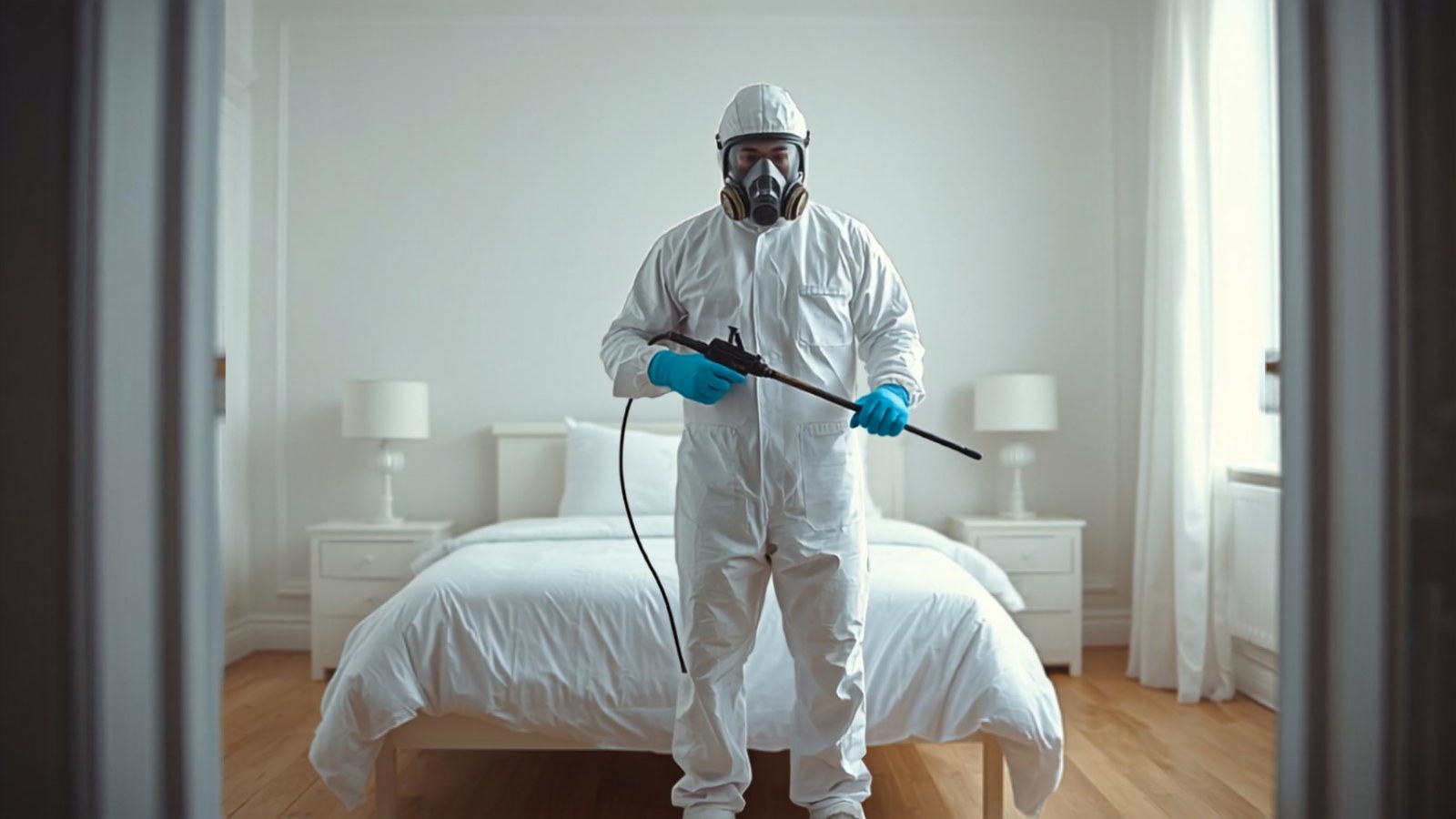
Biohazard Cleanup in Gratz Park
Gratz Park is one of Lexington’s most historic and tightly-knit neighborhoods, with tree-lined streets and homes that date back to the early 1800s. When a biohazard event occurs inside one of these older homes or apartments, the age and construction—often with shared walls in townhouses—mean that contamination can spread quickly if not contained properly. Whether it is a crime scene, unattended death, or traumatic injury, cleanup in Gratz Park must be handled with respect for the neighborhood’s unique character and the sensitivity of the situation.
Residents of Gratz Park expect service providers who understand the narrow street layout, limited parking, and the importance of discretion in a close-knit community. Our team uses unmarked vehicles to maintain privacy on Gratz Park’s historic blocks. We ensure all biohazard waste is removed in compliance with Kentucky and local regulations, and we take extra care to preserve delicate materials common in these homes—such as plaster walls, original hardwood floors, and ornamental woodwork—while restoring the property to a safe, clean condition. Given the neighborhood’s density, we coordinate with you to keep noise and disruption to a minimum so that your neighbors remain unaware of the cleanup unless you choose to share it.
Why Gratz Park Residents Trust Us
Our crew is familiar with the specific challenges of working in Gratz Park’s historic properties, from tight staircases to vintage plumbing that may affect containment. We use hospital-grade disinfectants and industry-standard protective equipment, but we also adapt our methods to avoid damaging antique surfaces. We communicate clearly about the timeline and any access needs, and we never leave behind residue or equipment that could draw attention.
What to Expect
When you contact us for biohazard cleanup in Gratz Park, we begin with a phone consultation to understand the scope and any property-specific concerns—such as preserving historic finishes or working around shared entryways. A trained crew then arrives in an unmarked